Maximise your brand with effective magazine advertising

TL;DR:
- Magazine advertising offers credibility and niche targeting that digital channels often lack.
- Effective campaigns require careful publication selection, creative quality, and proper tracking methods.
- Combining print with digital strategies enhances brand trust and maximizes overall marketing ROI.
Deciding where to place your advertising budget is one of the toughest calls any UK business owner or marketing manager faces. Digital channels promise speed and data, but they are also crowded, expensive, and increasingly distrusted by consumers. Magazine advertising offers something different: credibility, longevity, and access to highly engaged, niche audiences. With UK ad spend forecast at £46.9bn for 2025, the market is growing fast, and smart brands are using print strategically alongside digital to build genuine trust and targeted reach. This article walks you through how to evaluate opportunities, choose the right formats, compare channels, and maximise return on every pound spent.
Table of Contents
- How to evaluate magazine advertising opportunities
- Top types of magazine advertisements for UK businesses
- Magazine advertising versus digital channels: A direct comparison
- Smart strategies for ROI-driven magazine advertising
- A fresh perspective: Magazine ads in a digital-first era
- Partner with experts for high-impact magazine advertising
- Frequently asked questions
Key Takeaways
| Point | Details |
|---|---|
| Magazine ads build trust | Print placements are still highly valued for brand credibility in UK markets. |
| Ad format matters | Choosing the right magazine and format maximises impact with target audiences. |
| Track for ROI | Use tracking methods like QR or promo codes to measure outcomes and refine budgets. |
| Integrate with digital | Combining magazine and online campaigns gives the best attribution and reach. |
How to evaluate magazine advertising opportunities
Before you book a single page, you need to ask whether a magazine placement actually serves your business goals. That sounds obvious, but many UK brands skip this step and end up paying for reach that never converts. Start with your core objectives. Are you building brand awareness, generating leads, or reinforcing credibility in a specific sector? Each goal points to a different type of publication and placement.
Demographic and psychographic targeting is where magazines genuinely shine. Unlike broad digital display ads, a well-chosen trade or lifestyle magazine puts your brand in front of readers who have actively chosen to engage with that content. A B2B software firm advertising in a specialist IT publication reaches decision-makers in a focused, distraction-free environment. A premium skincare brand in a luxury lifestyle title speaks directly to readers who already value quality and are willing to spend.
When assessing a publication, look beyond raw circulation figures. Readership per copy is often two to three times higher than circulation, because magazines are shared, kept, and re-read. Editorial alignment matters too. Your ad sits alongside content that shapes the reader’s mindset, so a poor editorial fit can undermine your message even if the demographics are right. Ask publishers for their media pack, which should include audience breakdowns, reader surveys, and case studies from similar advertisers.
Budget is, of course, a real constraint. But print magazines, though declining, remain effective for credibility and niche reach, which means even a modest spend in the right publication can outperform a larger digital outlay in the wrong channel.
Key criteria to assess before booking:
- Audience match: Does the readership reflect your ideal customer profile?
- Editorial tone: Does the publication’s voice align with your brand positioning?
- Circulation and readership: What is the verified reach, and how is it audited?
- Ad placement options: Are premium positions such as inside front cover available within budget?
- Frequency: How often does the publication run, and does that suit your campaign timeline?
Pro Tip: Add a unique QR code or promo code to every magazine ad. This turns an otherwise untrackable placement into a measurable campaign asset, letting you compare it directly against your magazine versus digital advertising performance data.
Top types of magazine advertisements for UK businesses
Once you know which publications suit your brand, you need to choose the right format. The format determines not just cost but also how your message lands with readers.
Here are the main magazine ad types available to UK businesses, ranked from broadest impact to most targeted:
- Full-page display ads deliver the strongest visual impact and work best for brand awareness campaigns. They are the most expensive option but command full attention, particularly when placed opposite editorial content or on a right-hand page.
- Half-page and quarter-page ads offer a cost-effective entry point for smaller budgets. They suit direct response campaigns with a clear offer or call to action, where the message is concise and the creative is strong.
- Sponsored content and native advertising are among the most powerful formats for trust-building. Your brand’s message is woven into editorial-style content, making it feel less like an advert and more like a recommendation. Readers engage with it longer and retain more.
- Inserts and loose leaflets allow for a tactile, high-detail format that sits inside the magazine. These work well for product catalogues, event invitations, or detailed offers where you need more space than a standard ad allows.
- Cover wraps and gatefolds are premium placements that generate significant attention. They are expensive but deliver exceptional brand recall, particularly for product launches or major campaigns.
For classifieds, the value lies in hyper-targeted reach at low cost. Trade publications with active classified sections can connect you with highly motivated buyers in a specific sector.
When it comes to designing impactful magazine advertisements, the creative must be built for the format. Print demands high-resolution assets, strong typography, and a single, clear message. Cluttered ads with too many messages consistently underperform.
Key considerations by format:
- Display ads: Invest in professional photography and bold headlines
- Native content: Match the publication’s tone and avoid overt sales language
- Inserts: Use quality paper stock; cheap inserts damage brand perception
- Cover wraps: Reserve for flagship campaigns with strong visual identity
Pro Tip: If you are running a campaign across multiple issues, rotate your creative every two to three insertions. Readers notice repetition quickly, and fresh creative sustains engagement and improves recall across a long campaign.
Magazine advertising versus digital channels: A direct comparison
Knowing the available formats, the next step is understanding how magazines stack up against digital campaigns on the metrics that matter to UK marketers.
Cost per thousand impressions (CPM) is a useful starting point. Digital display advertising typically offers a lower CPM, sometimes as little as £1 to £5 for broad audiences. Magazine CPMs tend to range from £20 to £60 depending on the publication, but that higher cost reflects a more engaged, targeted audience rather than passive scrollers. The real question is not which is cheaper per impression, but which delivers better outcomes per pound spent.
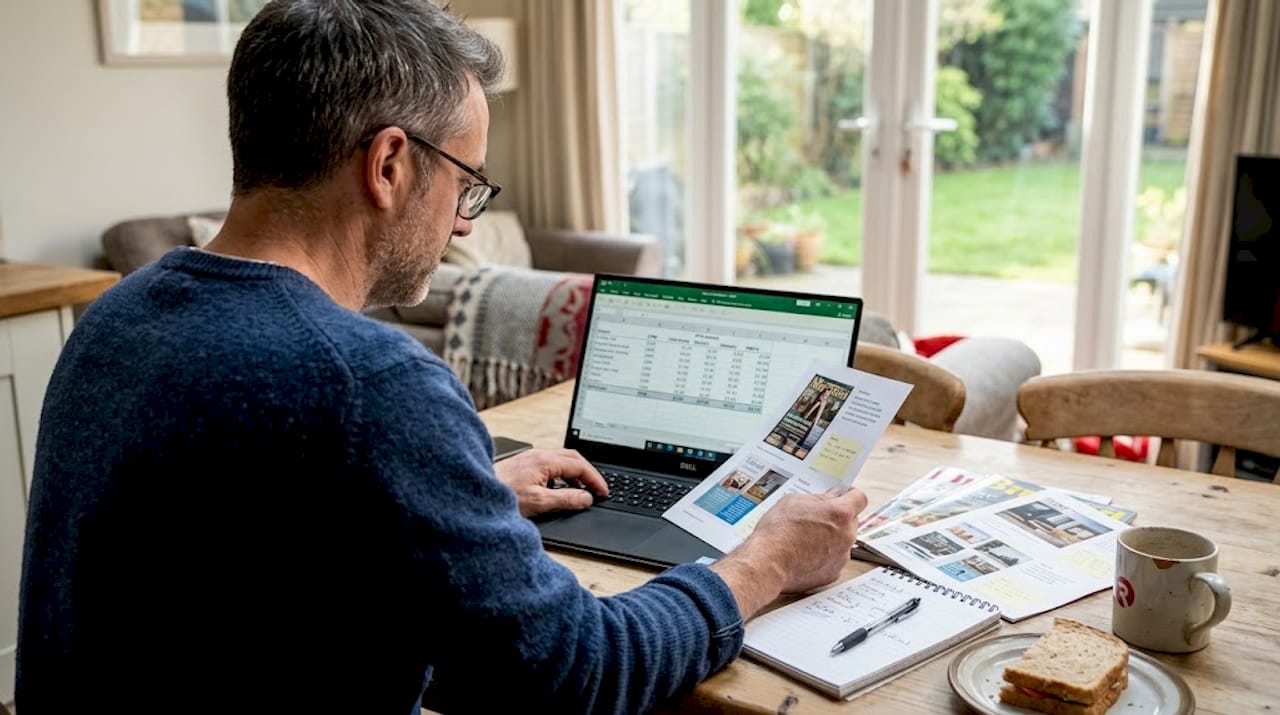
Return on ad spend (ROAS) benchmarks differ significantly. Well-targeted digital campaigns can achieve ROAS of 400% or more, particularly in e-commerce. Magazine advertising rarely delivers that level of direct attribution, but it contributes to brand lift, trust, and consideration, which feed indirectly into conversion rates across all channels. Tracking via QR or unique codes is essential to benchmarking print against digital ROAS accurately.
| Attribute | Magazine advertising | Digital advertising |
|---|---|---|
| Audience targeting | Demographic and psychographic | Behavioural and intent-based |
| Cost per thousand | £20 to £60 | £1 to £20 |
| Credibility and trust | High | Moderate to low |
| Speed to market | Weeks | Hours |
| Creative flexibility | Low once printed | High, real-time changes |
| Measurability | Indirect via codes | Direct via analytics |
| Shelf life | Weeks to months | Hours to days |
When to prioritise magazine advertising over digital:
- Your target audience is older, more affluent, or less active on social media
- You are entering a new market and need credibility fast
- You are advertising a premium product where trust is a purchase driver
- Your digital campaigns have plateaued and you need a brand lift
When digital is the stronger choice:
- You need rapid testing, iteration, and real-time optimisation
- Your budget is limited and direct response is the primary goal
- You are targeting a broad, digitally active audience
Review your print versus digital campaign data regularly to understand where each channel is contributing most to your overall brand performance.
Smart strategies for ROI-driven magazine advertising
To unlock the true value of magazine ads, you need clear objectives, robust tracking, and creative that earns attention. Here is how to approach it systematically.
Start by setting specific, measurable campaign objectives before you book anything. “Increase brand awareness” is not a measurable objective. “Generate 200 promo code redemptions from a single issue insertion” is. Clear targets shape your creative brief, your placement choice, and your post-campaign analysis.
Tracking is non-negotiable. Every magazine ad should include at least one of the following:
- A unique promo code tied to that specific publication and issue
- A QR code linking to a dedicated landing page
- A unique URL that is only promoted in that magazine
This gives you direct attribution data that lets you compare magazine performance against digital spend on equal terms. Magazine spend is stabilising, and brands that integrate tracking into their print campaigns are the ones enhancing trust through magazine placements while also building a clear evidence base for future budget decisions.
On the creative side, align your ad visually and tonally with the editorial environment. Readers trust publications they love, and ads that feel consistent with that editorial world benefit from a halo effect. A jarring, off-brand ad in a respected title can actually damage perception.
Timing and frequency matter. A single insertion rarely moves the needle. Plan for a minimum of three consecutive issues to build recognition, then evaluate performance before committing to a longer run.
| Tracking metric | What it measures | How to use it |
|---|---|---|
| Promo code redemptions | Direct response rate | Compare across publications |
| Landing page visits | Interest and intent | Benchmark against digital CTR |
| ROAS by channel | Revenue per pound spent | Allocate future budget |
| Brand search uplift | Awareness and recall | Track via Google Search Console |
Numbered steps for a trackable magazine campaign:
- Define a single, measurable campaign objective
- Select publications based on audience fit and editorial alignment
- Build a dedicated landing page or promo code for each insertion
- Create print-ready assets that meet the publication’s technical specifications
- Run for a minimum of three issues before drawing conclusions
- Analyse tracking data and compare against digital benchmarks
- Reinvest in the placements that deliver the strongest attribution
A fresh perspective: Magazine ads in a digital-first era
Here is something most marketing guides will not tell you: credibility rarely starts online. For emerging UK brands, local businesses, and companies entering competitive markets, trust is built in the physical world first and then reinforced digitally. A well-placed magazine ad in a respected trade or lifestyle title signals that your brand has substance. It says you are established enough to invest in quality media, and readers notice that signal even if they cannot articulate it.
The most common mistake we see is brands treating magazine advertising as a standalone tactic. They book one ad, use generic creative, add no tracking, and then declare print dead when it does not deliver immediate results. That is not a fair test. It is a poorly planned campaign.
The brands that consistently win with magazine advertising are those running hybrid strategies. They use print to build credibility and awareness, then retarget those same audiences digitally to drive conversion. The role of magazine ads in branding is not to replace digital. It is to do what digital cannot: earn genuine trust at scale in a distraction-free environment. When both channels work together, brand lift and conversion rates improve measurably.
Partner with experts for high-impact magazine advertising
If you are serious about making magazine advertising work for your brand, the difference between a mediocre result and a strong one often comes down to strategy, creative quality, and media buying expertise. At Radka Advertising, we help UK brands identify the right publications, negotiate placements, and build print-ready creative that performs. Our team integrates magazine campaigns with digital activity to ensure every pound is tracked, attributed, and optimised. From initial media planning through to post-campaign analysis, our advertising services are designed to deliver measurable brand growth. Get in touch to discuss how a targeted magazine strategy can elevate your brand’s credibility and reach.

Frequently asked questions
What is the average cost of advertising in a UK magazine?
Magazine ad costs in the UK range from a few hundred to several thousand pounds per issue, depending on size, placement, and circulation. Trade publications are generally more affordable than national consumer titles.
How can I measure the effectiveness of my magazine advertisements?
Effectiveness can be tracked using promo codes, QR codes, and unique landing pages to directly attribute responses and sales. Tracking via QR or unique codes is the most reliable method for benchmarking print against digital ROAS.
Are magazine adverts still effective for small and medium businesses?
Magazine advertising remains viable for UK SMEs building local presence and brand credibility, particularly in niche trade or regional publications where the audience is highly targeted.
What mistakes should I avoid with magazine advertising?
Avoid poorly targeted publications, inconsistent creative, and failing to track or benchmark results. Running a single insertion without follow-up and expecting immediate attribution is also a common and costly error.